


How Long Does Assembly Take for Flat Pack Furniture?

A wardrobe arriving in four large boxes can quickly take over a bedroom, especially when you need the room back by the evening. If you are wondering how long does assembly take, the honest answer is that it depends on the furniture, the room and whether everything is ready to fit. A small bedside table may be done in under an hour. A large sliding-door wardrobe or garden swing can take several hours and may need two people.
For busy households across London, Essex and Kent, knowing the likely time frame helps you plan delivery day, clear the space and decide whether it is worth tackling the job yourself. Here is a practical guide to realistic flat pack assembly times and the factors that can change them.
How long does assembly take for common furniture?
Assembly instructions often give an estimated time, but these figures are usually based on an experienced person working in an empty, well-prepared space with the correct tools to hand. At home, it is sensible to allow extra time for unpacking, checking parts, moving boxes upstairs and dealing with awkward corners.
Small furniture: around 30 minutes to 1.5 hours
Bedside tables, coffee tables, shoe cabinets, small bookcases and simple TV units are generally the quickest jobs. Most have fewer panels, less hardware and no heavy lifting. That said, a compact item with drawers can still take longer than it looks because runners need to be level and aligned properly.
A basic table may be assembled in 30 to 45 minutes. A small chest of drawers or storage unit is more likely to take one to one-and-a-half hours once the drawers are built, fitted and checked.
Beds: around 1 to 3 hours
A standard single or double bed frame often takes one to two hours. Ottoman beds, storage beds and beds with headboards or integrated drawers are more involved, so allow two to three hours. These jobs are easier with space around the bed and someone available to help lift larger panels into position.
The key is not simply getting the frame together. Slats need to sit correctly, fixings must be tightened evenly and lifting mechanisms on ottoman beds should be fitted exactly as instructed. Rushing this stage can lead to squeaks, loose fittings or a bed that does not sit level.
Chests of drawers and cabinets: around 1.5 to 3 hours
Drawer units tend to be more time-consuming than open shelving. Each drawer needs building, the runners need fitting in the correct position and the fronts must line up cleanly. A five-drawer chest might look straightforward in the box, but it has plenty of small fixings and repeated steps.
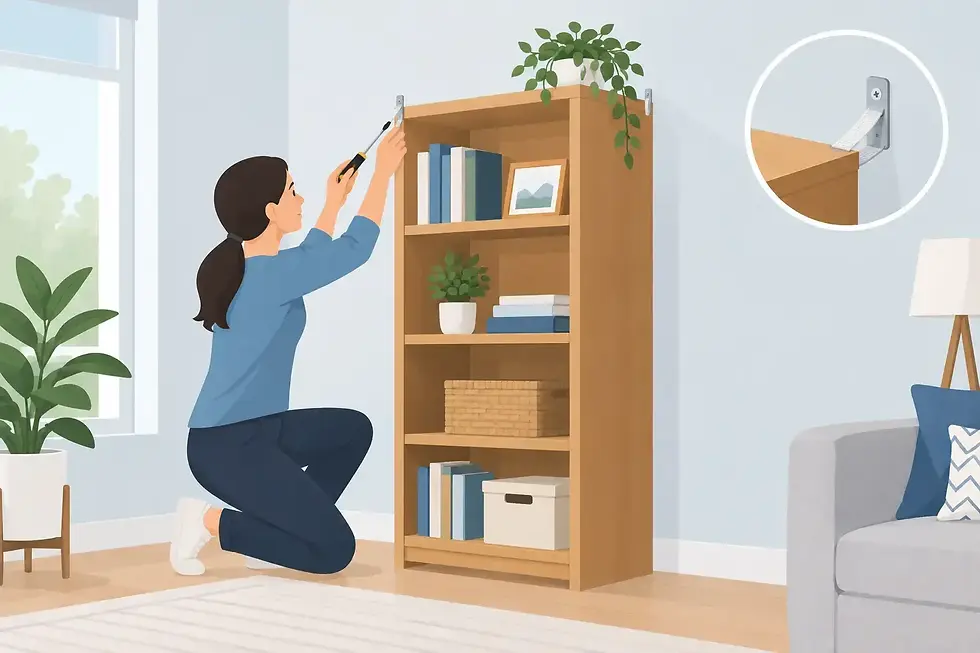
If the floor is uneven, extra care may be needed to make sure drawers open smoothly and the unit is stable. Tall cabinets and drawer chests should also be secured to the wall where required, particularly in homes with children.
Wardrobes: around 2 to 6 hours or more
Wardrobes are often the biggest flat pack assembly job in a home. A small two-door wardrobe may take two to three hours. Larger wardrobes with drawers, mirrors, sliding doors, internal organisers or multiple sections can take four to six hours, sometimes longer.
There is also a practical access issue. A wardrobe is best assembled in the room where it will stay, but the room needs enough floor space to build it safely. Once the carcass is upright, there must be enough ceiling height to lift it into place. This is particularly relevant in box rooms, loft conversions and new-build properties where space can be tight.
Dining furniture and shelving: around 1 to 3 hours
A dining table and chairs can take anywhere from one to three hours depending on the number of chairs and the style of fittings. A wall-mounted shelving unit may be quick to assemble but needs careful measuring and secure fixing to the wall, which adds time.
Freestanding bookcases are usually simpler, although tall units should be fixed back to the wall for safety. On plasterboard walls, the correct fixings are essential. The fitting method must suit the wall rather than relying on standard screws alone.
Outdoor furniture, sheds and swings: around 2 to 8 hours
Garden furniture can be deceptively time-consuming. A small bistro set may take an hour, while a large corner rattan set, pergola, storage box or swing can take several hours. Outdoor jobs are also affected by weather, uneven ground and the need to carry bulky boxes through the house or garden.
Children's swings, climbing frames and larger garden structures need particularly careful assembly. Every bolt, bracket and anchor point matters, and the product should be checked for stability before anyone uses it. These are not jobs to rush just because the weather has finally turned sunny.
What affects flat pack assembly time?
The furniture type is only one part of the answer. The same wardrobe can take very different amounts of time depending on the conditions on the day.
First, consider the number of boxes and components. More panels, drawers, doors, hinges and fittings naturally mean more work. Flat pack furniture with mirrored doors, sliding mechanisms or integrated lighting needs extra care because alignment is more precise.
Second, think about the room itself. Building furniture in a clear ground-floor room is much easier than carrying boxes up narrow stairs to a top-floor flat. Limited space can mean parts need to be built in stages, and heavy units may need two people to position safely.
Third, check whether the delivery is complete before starting. Missing screws, damaged panels or the wrong item can stop a job halfway through. It is worth checking the box labels and visible condition when the furniture arrives, particularly if you have booked assembly for a specific day.
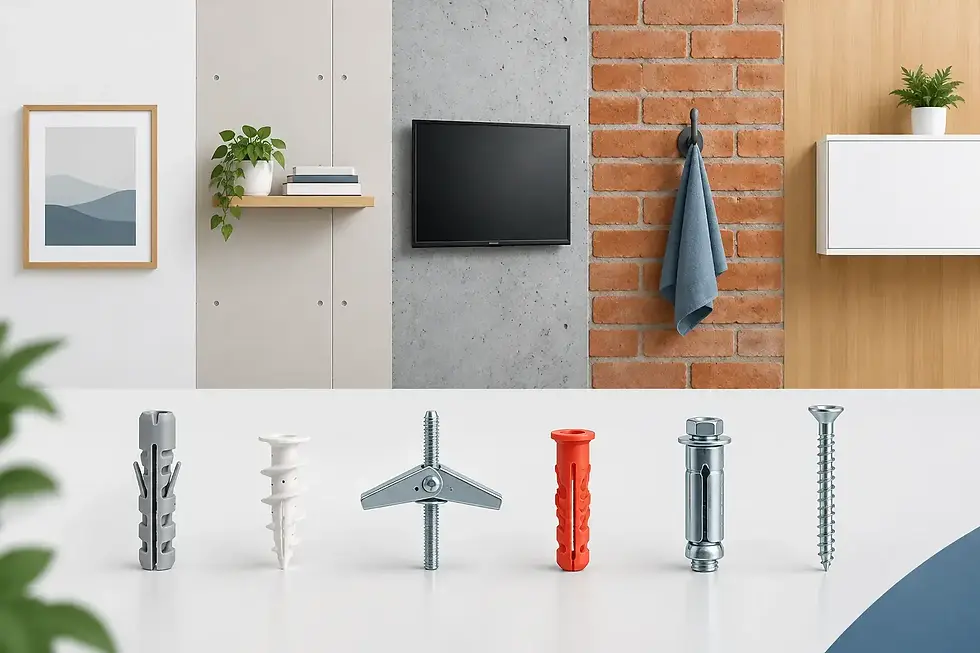
Finally, wall fixing can add time but should not be treated as optional. Wardrobes, tall drawer units, bookcases and display cabinets may need anti-tip brackets fitted. This involves finding a suitable fixing point, choosing the correct hardware for brick, concrete or plasterboard, and making sure the furniture is level before securing it.
Why professional assembly is often quicker
Doing flat pack furniture yourself can save money if it is a small, simple item and you have the time. But it is easy to underestimate the job. Instructions can be unclear, parts can look similar, and one panel fitted the wrong way round may mean undoing half the unit.
A professional assembler brings the right tools, knows the usual fitting systems and works in a logical order. That reduces the chance of damaged boards, stripped fixings, uneven drawers or doors that do not close properly. It also means you are not left with half-built furniture in the middle of the room after a long evening.
For larger items, professional help is also a sensible safety choice. Wardrobes, heavy TV units and outdoor structures can be awkward to lift and hold while fixing them together. If wall mounting or other handyman jobs are needed at the same visit, arranging the work together can save time and avoid multiple appointments.
How to prepare before assembly day
A little preparation helps the job run smoothly. Clear the room where the furniture will be assembled and make enough space to lay out panels safely. Keep children and pets away from the work area, as loose screws, fittings and packaging can create hazards.
Make sure the boxes are inside the property and accessible, especially if the item is going upstairs. Keep the instructions and any wall-fixing kit with the furniture. If you want an old unit moved, tell the assembler in advance, as dismantling and disposal are separate jobs and may affect the time required.
It is also useful to decide exactly where the finished furniture will sit before work starts. Measuring the wall, alcove, ceiling height and door clearance beforehand avoids the frustrating discovery that a wardrobe door cannot open fully or a cabinet blocks a socket.
We Fit All provides practical flat pack assembly for homes in Dagenham, London, Essex and Kent, from compact furniture to larger wardrobes and garden items. A clear description of the item, the number of boxes and any access issues makes it easier to give an accurate estimate and plan the right amount of time.
The best approach is to allow a sensible window rather than trying to squeeze a large assembly job between other commitments. Once the furniture is built square, stable and properly secured, you can get on with enjoying the room instead of looking at boxes.

Comments